Unlock Collaboration Through Playful Escapes
Today we explore gamified soft skills escape room kits for classrooms, transforming communication, collaboration, empathy, and problem‑solving into lively practice through story‑driven puzzles and time‑bound missions. You will find classroom‑ready design patterns, facilitation moves, and reflective strategies that make interpersonal growth visible and sustainable. Expect practical checklists, relatable anecdotes, and gentle prompts to try, adapt, and share. Bring curiosity, invite your learners, and let’s spark courageous conversations, clearer messages, and kinder teamwork inside energizing challenges that students will remember long after the clock stops.
Why Playful Challenges Build Lasting People Skills
When puzzles demand interdependence, students practice concise messaging, perspective‑taking, and shared leadership because success requires everyone’s contribution. A quiet student becomes timekeeper, a natural storyteller clarifies the mission, and a hesitant participant offers the breakthrough connection. This safe pressure invites risk‑taking while protecting dignity, since failure simply means trying a new angle together. Over multiple runs, learners internalize routines for checking assumptions, giving feedback, and celebrating small wins, which migrate into discussions, labs, and group projects across the week.

Designing Kits That Reset Fast and Teach Deep
A powerful kit balances narrative hooks, modular puzzles, clear behavioral goals, and quick reset procedures that respect teaching time. Think labeled envelopes, color‑coded pathways, and a one‑page facilitator guide. Storylines should invite cooperation rather than glorify lone heroes, nudging learners to verify clues together. Calibrated hint systems sustain momentum without stealing discovery. Materials survive multiple runs; roles rotate easily; evidence of communication and collaboration is captured unobtrusively. The result is repeatable magic that still feels fresh every period.

From Planning to Debrief: A Smooth Facilitation Arc
Great experiences begin before the first envelope is opened. Clarify norms, define roles, and establish psychological safety so learners can disagree productively. During play, circulate with purposeful distance, asking probing questions rather than offering solutions. Use tiered hints to sustain effort. Afterward, debrief with concrete evidence: what words moved the team forward, which routines prevented chaos. Then, help students transfer insights into upcoming seminars, labs, and projects through intentional commitments, quick practice drills, and visible reminders anchored to shared language.
Evidence, Outcomes, and Credible Practice
Decades of cooperative learning research, alongside emerging studies in game‑based learning, suggest that interdependent tasks boost motivation, communication, and persistence when goals are shared and roles are clear. Classroom stories echo the data: fewer side conversations, more inclusive participation, and clearer handoffs under time pressure. Credible practice grows from iterative design, transparent criteria, and honest reflection rather than flashy props. We spotlight routines and tools that withstand scrutiny, travel across subjects, and respect diverse learners without diluting ambitious expectations.



Primary Learners: Concrete, Tactile, Joyfully Visual
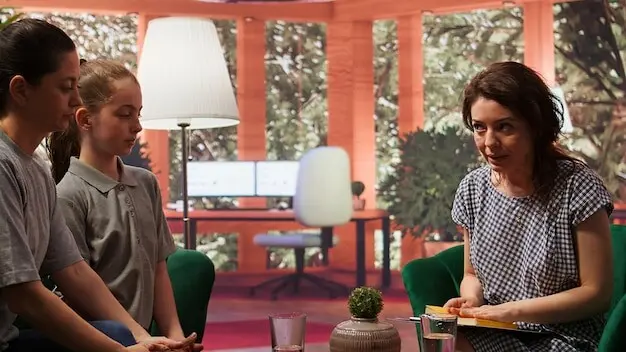
Use color sorting, picture matching, and large manipulatives that invite movement and shared discovery. Keep instructions icon‑supported and repeatable. Roles like Finder, Checker, and Encourager spotlight helpful behaviors without heavy language demands. Celebrate noticing and patience as much as accuracy. Short debriefs with sentence stems—“I helped when…,” “We solved it by…”—build confidence. These playful structures cultivate listening, turn‑taking, and respectful disagreement long before complex texts or equations dominate, laying a sturdy foundation for future academic teamwork.
Secondary Learners: Strategy, Negotiation, and Autonomy

Offer layered puzzles that require planning under uncertainty, distributing information across roles so trading insights becomes essential. Encourage teams to justify choices using evidence and to document decision paths for post‑game analysis. Include optional advanced branches to challenge early finishers without leaving others behind. Debriefs can analyze leadership styles, conflict resolution moves, and ethical dimensions of choices. These experiences mirror real‑world collaboration, preparing students for internships, labs, and civic engagement where clarity, humility, and persuasion matter deeply.
Remote Missions: Digital Locks, Breakout Rooms, Shared Boards

Online experiences thrive with clear tech norms, visible timers, and collaborative canvases where artifacts persist. Assign roles that match digital workflows: navigator, scribe, verifier, and morale lead. Use cloud documents for clue sets and forms for code submission to reveal process data. Calibrate hint delivery through chat nudges and structured pauses. End with gallery walks of screenshots and quick voice reflections. Distance need not dilute connection when tasks require interdependence and tools make communication transparent, equitable, and kind.
Action Kit: Start Now and Connect With Peers
Take the leap with a printable starter kit, a facilitator cheat sheet, and a reflective debrief guide. Pilot in one class period, then iterate with student feedback and your observations. Share outcomes with colleagues, ask questions, and borrow ideas in our growing educator circle. Subscribe for fresh puzzle modules, equitable design tips, and monthly debrief prompts. Your voice—triumphs, missteps, and aha moments—will help shape better experiences for every learner who walks through your door.

A One‑Hour Blueprint You Can Print Today
This blueprint includes a short narrative brief, three modular puzzles aligned to communication goals, a tiered hint bank, and a simple reset checklist. Materials use everyday supplies for easy duplication. You will also find role cards, timing suggestions, and observation cues that capture evidence without slowing play. Pilot it as‑is, then adapt challenge levels or story details to match your learners. Start small, notice what works, and build momentum through consistent, joyful practice that honors growth over perfection.

Facilitator Aids: Hint Banks, Roles, and Timing
A compact guide helps you pace energy, deploy hints strategically, and rotate roles to highlight different strengths. Use prewritten nudges that preserve discovery while unblocking confusion. Color‑coded role cards reduce overlap and elevate quieter voices. Suggested timing checkpoints keep urgency lively without panic. Quick reflection prompts align with observation notes so feedback lands clearly. These aids lighten cognitive load, letting you notice moments worth spotlighting during debriefs and capturing stories you can share with colleagues seeking practical inspiration.